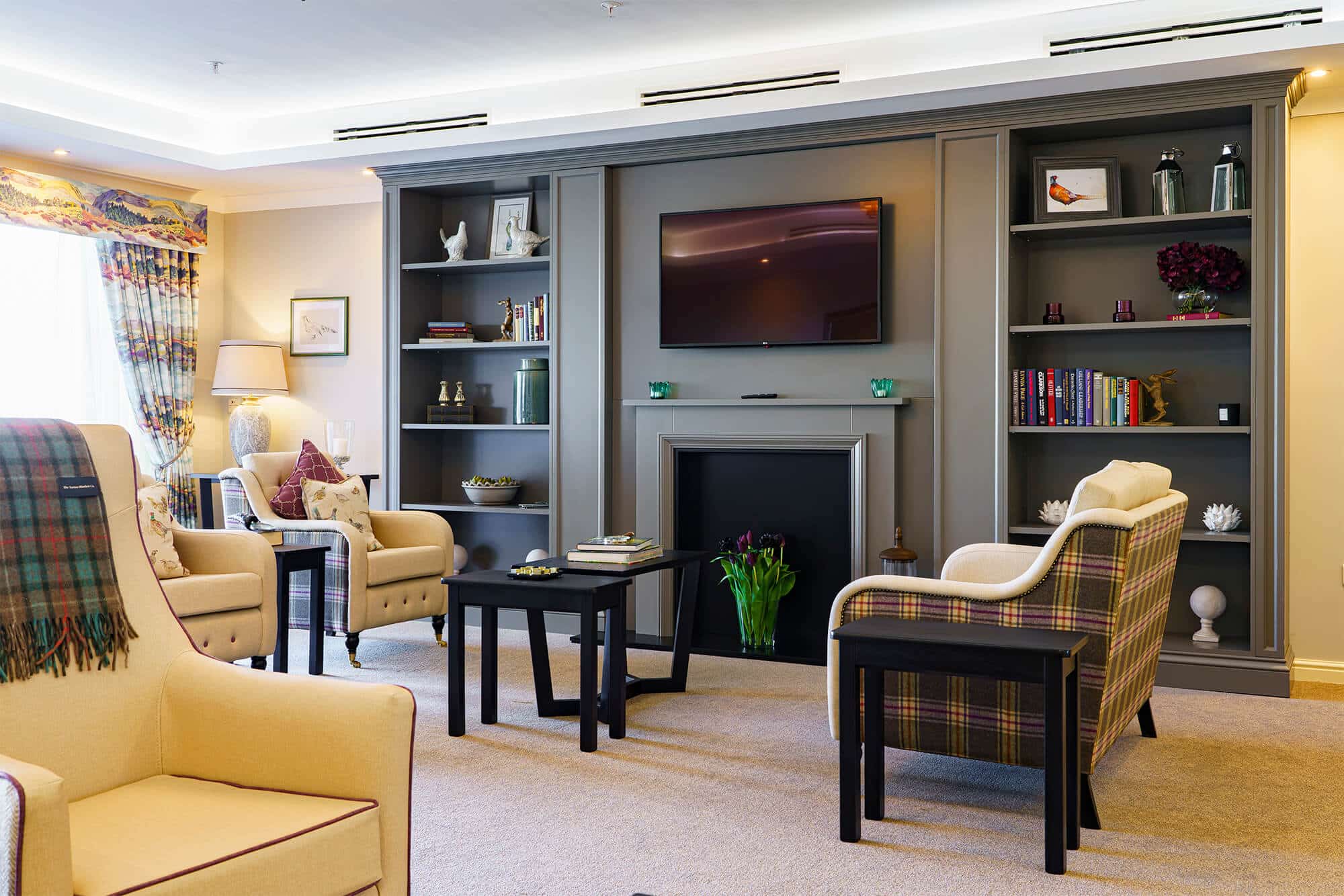
Focusing on Comfort in Every Selection
Comfort in care homes is not a luxuriousness; it's a necessity. Residents often spend prolonged periods sitting or resting, making the need for supportive furniture paramount. Ergonomically designed chairs and beds play a crucial role in this, offering the necessary support to alleviate pressure points and minimize the risk of discomfort. Moreover, the picking of materials is essential. Fabrics should be gentle yet resilient, and padding should be sufficient and resilient. By prioritising comfort in every furniture choice, care homes can significantly boost the daily lives of their residents.
Opting for Durable and Robust Furnishings
The furniture in care homes is in continuous use, necessitating a degree of durability that can withstand the rigours of daily life. It is not just about selecting furniture that is sturdy; it’s about finding pieces that merge resilience with comfort. Furniture should be able to withstand spills and stains, and should keep its integrity even after repeated cleaning. The investment in high-quality, durable furnishings ultimately is worthwhile in the long term, as it lessens the need for constant replacements and ensures that residents always have access to furniture that is in superb condition.
Practicality Combines with Flexibility
Care homes cater to a wide range of residents, each with their own distinct needs and preferences. Furniture that is modifiable and easy to move is vital in meeting these varied requirements. Chairs with variable heights, tables on wheels, and beds that can be easily moved all add to a more adjustable living space. This versatility ensures every resident, regardless of their mobility level, can access and use the furniture easily and safely.
Building a Welcoming Atmosphere with Aesthetics
The visual appeal of furniture holds a major role in creating a comfortable and welcoming atmosphere within care homes. Furniture should not only be usable but also appealing to the eye, contributing to a positive and uplifting environment. The choice of colours, patterns, and styles can all play a part in this, and care homes should strive to select furnishings that resonate with the preferences and interests of their residents. Creating an aesthetically pleasing living space goes a long way in enhancing the overall wellbeing of residents.
Ensuring Safety in Every Selection
Safety is a paramount consideration in the selection of care home furniture. Features such as anti-tip designs, rounded corners, and flame-retardant materials are essential in minimising risks and ensuring that the living environment is as safe as possible. Additionally, furniture should be secure and secure, providing residents with trust as they go about their daily activities. By setting safety at the forefront of furniture picking, care homes can create a secure living space that gives both residents and their families peace of mind.
Choosing Easy-to-Clean and Hygienic Options
In care settings, keeping a high standard of cleanliness is crucial. Furniture should be easy to clean and resistant to bacteria, ensuring that the living environment remains sanitary and safe. Selecting for furniture with few crevices and readily wipeable surfaces can substantially reduce the risk of germ accumulation and make the cleaning process more efficient. By concentrating on hygiene in furniture decisions, care homes add to the general health and wellbeing of their residents.
Maximising Space with Multifunctional Furniture
Space efficiency is a vital consideration in care homes, where every square metre counts. Multifunctional furniture that serves more than one purpose can be a breakthrough in optimising available space. Beds with built-in storage, extendable tables, and modular seating options all offer flexibility while guaranteeing that residents have access to everything they need. By picking furniture that is both space-saving and adaptable, care homes can create a living space that is functional, comfortable, and space-efficient.
Concentrating on Resident-Centric Options
In the end, the selection of furniture in care homes should be led by the needs and preferences of the residents. It’s about making a living space that is not just safe and comfortable but also enriching and inclusive. By thinking about the components highlighted above, care homes can make knowledgeable choices that boost the quality of life for their residents, resulting in a living environment that truly feels like home.
Conclusion: Crafting a Welcoming and Safe Haven
In summary, the furniture in a care home plays a vital role in defining the living experience of residents. By focusing on comfort, durability, functionality, aesthetics, safety, hygiene, and space efficiency, care homes can create a living space that fulfills the varied needs of their residents. The result is a nurturing environment that not only helps the physical wellbeing of residents but also improves their overall quality of life.
Find out additional information when pressing the link to visit the website right away - care home furniture manufacturers.